

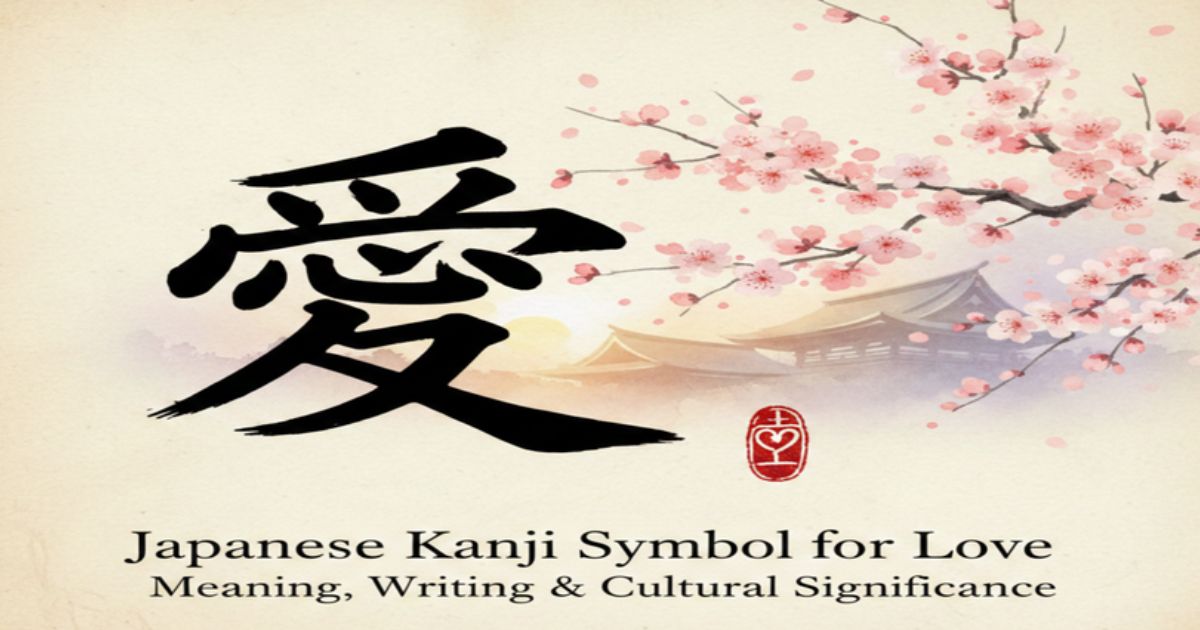
The Japanese kanji symbol for love is deeply meaningful and beautifully expressive in Japanese culture. Love in Japan is not only about romance but also includes affection, care, loyalty, and emotional connection. The kanji 愛 represents a strong, enduring form of love that grows over time rather than instant attraction. This symbol has been used for centuries in Japanese writing, art, and poetry. Many people around the world are fascinated by this kanji because of its deep emotional and spiritual value. It is commonly seen in tattoos, calligraphy, literature, and personal messages. Understanding the meaning and writing of this kanji helps reveal how love is viewed in Japanese society. The kanji for love reflects patience, commitment, and heartfelt emotion rather than surface-level feelings.
Attractive Japanese Kanji Names Ideas
- Aiko 愛子
- Haru 晴
- Sora 空
- Ren 蓮
- Mio 美緒
- Yuki 雪
- Kai 海
- Hina 陽菜
- Riku 陸
- Aya 彩
- Kaito 海斗
- Saki 咲
- Tsubaki 椿
- Nao 直
- Akira 明
- Emi 恵美
- Itsuki 樹
- Kanna 栞
- Shion 紫音
- Takumi 匠
- Yua 結愛
- Hikaru 光
- Reina 玲奈
- Daiki 大輝
- Noa 乃愛
- Koharu 小春
- Masaki 正樹
- Rina 莉奈
- Souta 蒼太
- Ayumi 歩
- Haruki 陽輝
- Nana 菜々
- Kou 光
- Maki 真希
- Ami 亜美
- Ryuu 竜
- Minato 湊
- Yuna 優奈
- Kei 慶
- Suzu 鈴
- Tomoya 智也
- Mei 芽衣
- Shota 翔太
- Risa 理沙
- Kazu 和
- Aoi 葵
- Chihiro 千尋
- Toru 透
- Nene 音々
- Kiyomi 清美
- Ryo 涼
- Saya 紗耶
- Hajime 一
- Misaki 美咲
Good Japanese Kanji Names Ideas
- Kazuki 和希
- Ayaka 彩香
- Takahiro 隆弘
- Mina 美奈
- Shinji 信二
- Yuto 悠斗
- Haruna 春奈
- Keita 慶太
- Atsushi 篤
- Mai 舞
- Kenta 健太
- Satomi 聡美
- Naoki 直樹
- Erika 恵里香
- Jun 純
- Shoko 翔子
- Tatsuya 達也
- Misato 美里
- Hiroshi 博
- Kaori 香織
- Satoshi 智
- Natsumi 夏美
- Koji 浩二
- Yumi 由美
- Ryota 涼太
- Fumiko 文子
- Hideaki 秀明
- Akiko 明子
- Yoshinori 義則
- Mika 美香
- Toru 徹
- Sachiko 幸子
- Makoto 誠
- Noriko 紀子
- Sho 翔
- Etsuko 悦子
- Masaru 勝
- Aiko 愛子
- Toshiyuki 俊幸
- Emiko 恵美子
- Shun 俊
- Yukiko 雪子
- Kenji 健二
- Reiko 礼子
- Yasuhiro 康弘
- Mami 真美
- Osamu 修
- Chie 智恵
- Hideo 英夫
- Nami 波
Cool Japanese Kanji Names Ideas
- Raiden 雷電
- Kuro 黒
- Hayate 疾風
- Zen 禅
- Akio 昭雄
- Jin 仁
- Raito 雷斗
- Kaze 風
- Rei 零
- Tora 虎
- Shiro 白
- Isamu 勇
- Kaito 海翔
- En 炎
- Ryoma 龍馬
- Gaku 岳
- Renji 蓮司
- Tetsu 鉄
- Sora 空翔
- Kiba 牙
- Rin 凛
- Daigo 大悟
- Shin 真
- Arata 新
- Kuroto 黒斗
- Hibiki 響
- Fudo 不動
- Takara 宝
- Kaien 海炎
- Yoru 夜
- Gen 源
- Seiji 誠司
- Rai 雷
- Mugen 無限
- Soma 蒼真
- Kenshin 剣心
- Haku 白
- Retsu 烈
- Yuma 悠真
- Kyo 京
- Jiro 次郎
- Touma 冬馬
- Kazan 火山
- Hiroto 大翔
- Nobu 信
- Zan 斬
- Asahi 朝日
- Ryu 龍
- Itsuki 樹
Read more: Japanese Kanji Symbol for Love: Meaning, Writing & Cultural Significance
Best Japanese Kanji Names Ideas
- Haruto 陽翔
- Aoi 葵
- Yamato 大和
- Sakura 桜
- Kento 健斗
- Miyu 美優
- Ryohei 涼平
- Ayano 彩乃
- Taiga 大河
- Hinata 日向
- Shota 翔太
- Mizuki 瑞希
- Sosuke 奏介
- Nanami 七海
- Takeru 武
- Yui 結衣
- Kazuya 和也
- Honoka 穂乃香
- Shohei 翔平
- Ririka 莉々花
- Yuji 裕司
- Nozomi 希
- Tsubasa 翼
- Kohane 心羽
- Iori 伊織
- Akane 茜
- Yoshiki 義輝
- Fuka 風花
- Naoya 直哉
- Haruka 遥
- Reo 怜央
- Aina 愛菜
- Kohei 康平
- Maho 真帆
- Ryusei 流星
- Asuka 飛鳥
- Toma 冬真
- Ruka 瑠花
- Seiya 星也
- Karin 花凛
- Soma 壮真
- Yuzuki 柚月
- Hiroki 宏樹
- Mirei 美玲
- Koki 光希
- Sarina 沙里奈
- Keisuke 圭介
- Hiyori 日和
- Taichi 太一
- Rion 莉音
- Katsumi 克己
Nice Japanese Kanji Names Ideas
- Aimi 愛美
- Haruna 春菜
- Kiyoshi 清
- Ririka 莉花
- Satoshi 聡
- Mone 萌音
- Tetsuya 哲也
- Ayumi 歩美
- Kouki 光輝
- Nodoka のどか
- Shunpei 俊平
- Maki 真紀
- Yuina 結菜
- Toru 透
- Chisaki 千咲
- Kiyota 清太
- Rumi 留美
- Kazuma 一真
- Himari 向日葵
- Naoe 直江
- Fuyuki 冬樹
- Konomi 好美
- Masato 正人
- Airi 愛梨
- Yoshito 義人
- Sena 星奈
- Taketo 岳斗
- Miori 美織
- Kosei 恒一
- Ririka 莉香
- Nori 紀
- Akemi 明美
- Shingo 真吾
- Rika 理香
- Yuuto 優人
- Hatsune 初音
- Kenichi 健一
- Asami 麻美
- Tadao 忠雄
- Misa 美紗
- Rokuro 六郎
- Noemi 望恵
- Yoshie 芳恵
- Takumi 匠
- Kayo 佳代
- Shu 修
- Moe 萌
- Kenta 健多
- Miyabi 雅
- Ryou 涼
- Sachika 幸香
- Issei 一成
- Natsuko 夏子
- Keiko 恵子
Pretty Japanese Kanji Names Ideas
- Aoi 碧
- Miyu 美結
- Sakura 桜花
- Hina 日菜
- Yuzuki 柚希
- Kohana 小花
- Mirei 美怜
- Ayame 菖蒲
- Rin 凛
- Nozomi 希望
- Himari 陽葵
- Karin 花鈴
- Misora 美空
- Tsukino 月乃
- Shizuku 雫
- Nanoka 七花
- Koharu 小春
- Aika 愛花
- Suzune 鈴音
- Momo 桃
- Ririka 莉々香
- Yume 夢
- Hoshino 星乃
- Satsuki 皐月
- Mizuki 瑞月
- Hibana 火花
- Yuri 百合
- Akari 灯
- Hiyori 日和
- Mone 萌音
- Sena 瀬奈
- Ayaka 彩花
- Kiyora 清良
- Uta 詩
- Ruka 瑠華
- Nene 音々
- Hatsumi 初美
- Fuwari 風和里
- Yayoi 弥生
- Rion 莉音
- Suzu 鈴
- Miori 美織
- Kokoa 心愛
- Natsumi 夏澄
- Harumi 春美
- Koto 琴
- Asuka 明日香
- Miyabi 雅美
- Shiori 栞
- Chihaya 千早
- Yuna 由菜
- Kasumi 霞
- Yoshino 芳乃
- Ami 亜美
FAQs
What is the Japanese kanji symbol for love and what does it mean?
The Japanese kanji symbol for love is 愛. It represents deep affection, emotional attachment, and lasting commitment. Unlike casual attraction, this kanji reflects a mature and thoughtful kind of love. It is often used to describe love between family members, partners, and even deep respect for life or values. The meaning goes beyond romance and includes compassion, care, and emotional responsibility. This is why 愛 is considered one of the most powerful emotional symbols in Japanese writing.
How do you properly write the kanji for love in Japanese?
The kanji 愛 is written using thirteen strokes, and each stroke must follow the correct order. Proper stroke order is important in Japanese calligraphy because it affects balance and meaning. Writing this kanji slowly and carefully shows respect for its emotional depth. Many learners practice it repeatedly to achieve correct form. When written properly, the kanji looks harmonious and visually balanced, reflecting the stability of love itself.
Is the Japanese kanji for love used in daily conversation?
In everyday Japanese conversation, people rarely say love directly using the word associated with 愛. Instead, emotions are often expressed through actions or softer words. However, the kanji is widely used in writing, books, poetry, and formal expressions. It is also common in names, artwork, and symbolic designs. This reflects the cultural preference for subtle emotional expression rather than direct verbal declarations.
What is the difference between 愛 and 恋 in Japanese?
The kanji 愛 represents deep, unconditional, and lasting love, while 恋 refers more to romantic attraction or desire. 恋 is often associated with the excitement and emotional longing of early romance. 愛, on the other hand, grows over time and represents trust, commitment, and emotional maturity. Both kanji describe love, but they express very different emotional stages. Understanding this difference helps explain how love is viewed in Japanese culture.
Why is the kanji symbol for love popular worldwide?
The kanji 愛 is popular worldwide because of its elegant design and profound meaning. Many people choose it for tattoos, jewelry, or artwork to symbolize deep emotional values. It transcends language barriers and communicates love in a visual form. The simplicity and depth of the symbol make it appealing across cultures. Its universal message of compassion and connection is why it continues to inspire people globally.
Conclusion
The Japanese kanji symbol for love carries a rich and timeless meaning that goes beyond simple romance. It reflects emotional depth, long-lasting bonds, and genuine care for others. Writing this kanji requires attention and respect, as each stroke contributes to its meaning. In Japanese culture, love is often shown through actions rather than words, and this kanji perfectly represents that belief. Whether used in writing, art, or personal expression, the love kanji remains powerful and meaningful. Learning its meaning helps us appreciate the cultural beauty behind Japanese language and emotions.
