

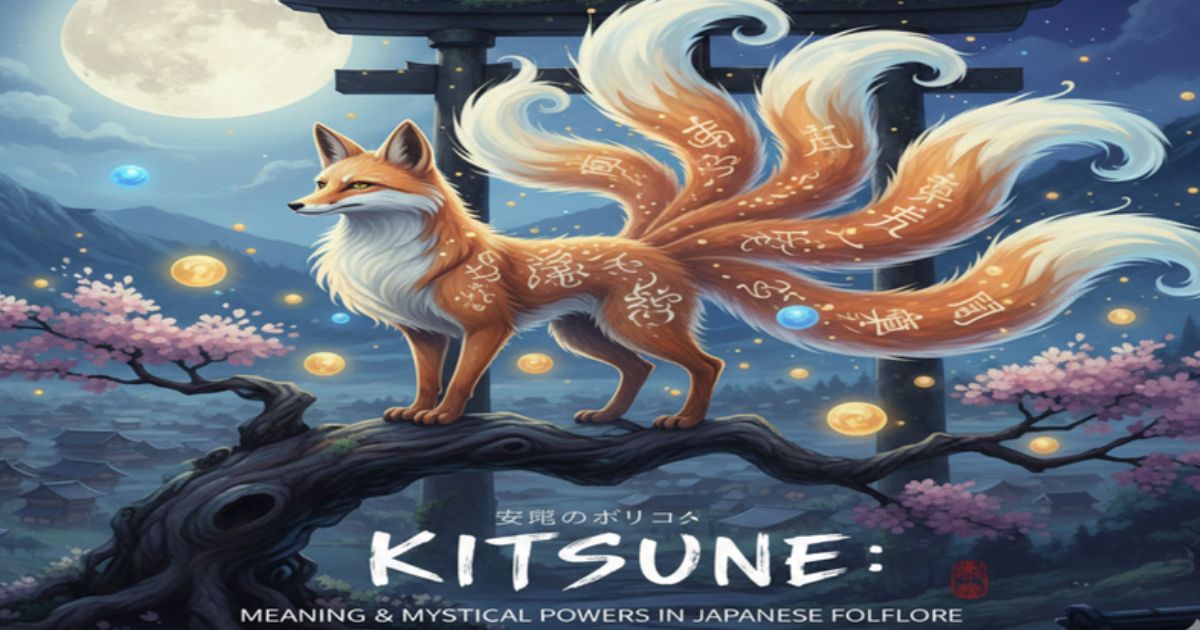
The term Kitsune holds a deep and fascinating place in Japanese language and culture. In Japanese, Kitsune literally means fox, but its meaning goes far beyond the animal itself. Kitsune are legendary creatures rooted in ancient folklore, mythology, and spiritual beliefs. They are often described as intelligent, magical beings with supernatural powers. Over centuries, Kitsune stories have been passed down through myths, literature, art, and theater. These fox spirits are known for their ability to shape-shift, create illusions, and interact with humans. Some Kitsune are kind and protective, while others are mischievous or even dangerous. Because of this dual nature, Kitsune symbolize mystery, wisdom, and transformation. Today, Kitsune remains a powerful cultural symbol in modern Japan and global pop culture.
Best Kitsune Names in Japanese
- Akari
- Aoi
- Asahi
- Ayame
- Chihiro
- Eiko
- Emi
- Fubuki
- Hana
- Hikari
- Hoshiko
- Izumi
- Kaede
- Kaguya
- Kiko
- Kitsumi
- Kohana
- Kumiko
- Kurenai
- Mai
- Miko
- Misaki
- Miyu
- Momiji
- Natsumi
- Nozomi
- Riko
- Sakura
- Satsuki
- Shiori
- Sora
- Sumire
- Takara
- Tamiko
- Tsubaki
- Ume
- Yoru
- Yuki
- Yumeko
- Yuna
- Akiko
- Himari
- Kanna
- Mizuki
- Reika
- Seira
- Tsukiko
- Yae
- Yume
Good Kitsune Names in Japanese
- Aimi
- Akane
- Amaya
- Ari
- Chiyo
- Ena
- Fuyumi
- Haru
- Hibiki
- Hotaru
- Iori
- Itsuki
- Jun
- Kaname
- Kasumi
- Kaya
- Koharu
- Konomi
- Kotori
- Kyo
- Mana
- Megu
- Mina
- Mirai
- Momo
- Nagi
- Nanami
- Nene
- Rin
- Rumi
- Saya
- Shina
- Shizuku
- Suzu
- Tae
- Tomoe
- Uta
- Waka
- Yori
- Yukiha
- Yura
- Akira
- Ayumi
- Hoshi
- Kiko
- Kira
- Maki
- Nami
- Rena
- Saki
Cool Kitsune Names in Japanese
- Arata
- Asuka
- Atsu
- Daiki
- Enzo
- Fuma
- Gin
- Hayate
- Ibuki
- Isamu
- Jiro
- Kage
- Kaito
- Kazan
- Kei
- Kiba
- Kiro
- Kuro
- Makoto
- Maro
- Mugen
- Nobu
- Oni
- Raiden
- Rai
- Ryo
- Saburo
- Shin
- Shiro
- Soma
- Taiga
- Taro
- Tetsu
- Tora
- Yami
- Yato
- Yoru
- Zen
- Akio
- Baku
- Hokuto
- Jin
- Kaien
- Katsuro
- Kenshin
- Riku
- Ryuu
- Seiji
- Zan
Read More: Kitsune Meaning in Japanese Folklore, Mythology and Hidden Powers
Amazing Kitsune Names in Japanese
- Aiko
- Akira
- Amane
- Arashi
- Ayato
- Chisaki
- Etsu
- Fumiko
- Hajime
- Hoshimi
- Inari
- Itsumi
- Kairi
- Kameko
- Kensu
- Kiriya
- Kitsura
- Kiyomi
- Kokoro
- Kumi
- Kyoji
- Mahana
- Masumi
- Midori
- Mitsuru
- Moriko
- Narumi
- Nishiki
- Ouka
- Reiko
- Renji
- Retsu
- Rina
- Ryoma
- Sachiko
- Sango
- Setsuna
- Shinka
- Shoma
- Sorano
- Tadashi
- Tama
- Tenshi
- Tokiko
- Umi
- Yoriko
- Yoshimi
- Yukari
- Yumina
- Zumi
Attractive Kitsune Names in Japanese
- Aira
- Akemi
- Ami
- Anzu
- Ayaka
- Chika
- Eimi
- Erina
- Fumika
- Hanae
- Hikaru
- Himeno
- Honami
- Iroha
- Kaho
- Kanna
- Karin
- Keiko
- Kiko
- Kirari
- Kisara
- Kohana
- Kumi
- Kurumi
- Maho
- Mika
- Minori
- Mirei
- Misora
- Moe
- Nana
- Natsuki
- Niko
- Risa
- Rumi
- Saaya
- Sakiya
- Sayuri
- Shion
- Sorae
- Suzume
- Tsubomi
- Utae
- Yayoi
- Yui
- Yukino
- Yume
- Yurina
- Aoiha
- Mizuna
Pretty Kitsune Names in Japanese
- Aiko
- Airi
- Akino
- Asami
- Ayano
- Chisato
- Eri
- Fuyuka
- Hana
- Haruhi
- Himari
- Hoshino
- Izumi
- Kae
- Kanna
- Kasumi
- Kayo
- Kohaku
- Komachi
- Koyuki
- Madoka
- Mai
- Maki
- Manami
- Megumi
- Miharu
- Mio
- Mitsuki
- Miyabi
- Momoka
- Nagisa
- Nodoka
- Nozomi
- Reina
- Ririka
- Runa
- Sachika
- Sae
- Sakura
- Shizune
- Sora
- Sumika
- Tomomi
- Umeko
- Wakana
- Yae
- Yoshika
- Yua
- Yukina
- Yumiko
- Yuzuki
FAQs
What does Kitsune mean in Japanese?
Kitsune is the Japanese word for fox, written as 狐 in kanji. While it refers to the real animal, it is more commonly associated with mythical fox spirits in folklore. These fox spirits are believed to possess intelligence and magical abilities. In stories, Kitsune often act as messengers, tricksters, or protectors. Because of this, the word Kitsune carries both a literal and symbolic meaning. It represents mystery, magic, and spiritual power in Japanese culture.
What powers do Kitsune have in Japanese folklore?
Kitsune are famous for their supernatural abilities. One of their most well-known powers is shape-shifting, often transforming into humans, especially beautiful women. They can also create illusions, control dreams, and manipulate fire known as fox-fire or kitsunebi. As they age and grow wiser, their powers become stronger. Some Kitsune can even influence human emotions and thoughts. These abilities make them both respected and feared in folklore.
Are Kitsune good or evil spirits?
Kitsune are neither purely good nor completely evil. Their nature depends on the story and the type of Kitsune. Zenko Kitsune are benevolent fox spirits associated with the god Inari and are considered protectors and bringers of good fortune. On the other hand, Yako or Nogitsune are wild foxes known for playing tricks on humans. This dual nature reflects the balance between kindness and mischief in human behavior. It also makes Kitsune more realistic and relatable in myths.
Why do Kitsune have multiple tails?
The number of tails a Kitsune has represents its age, wisdom, and power. According to legend, Kitsune gain additional tails as they grow older and more experienced. The most powerful Kitsune have nine tails, known as Kyubi no Kitsune. These nine-tailed foxes are extremely intelligent and possess immense magical abilities. The tails symbolize spiritual growth and mastery. This concept has become popular in modern media as well.
How are Kitsune connected to Japanese religion?
Kitsune are closely linked to Shinto beliefs, especially through the deity Inari. Inari is the god of rice, prosperity, and fertility, and Kitsune serve as Inari’s messengers. Many Shinto shrines feature fox statues guarding the entrances. People believe these fox spirits protect sacred spaces and bring blessings. Offerings such as rice and tofu are traditionally given to please them. This religious connection strengthens the spiritual importance of Kitsune in Japan.
Conclusion
In Japanese culture, the meaning of Kitsune goes far beyond a simple fox. Kitsune represent intelligence, magic, and the unseen spiritual world. Through folklore and mythology, they teach lessons about trust, transformation, and human nature. Their powers and personalities reflect both good and bad forces, making them complex and fascinating beings. From ancient shrines to modern anime and games, Kitsune continue to influence Japanese storytelling. Understanding the meaning of Kitsune helps us appreciate Japan’s rich mythological traditions. It also shows how folklore can shape culture across generations.
