

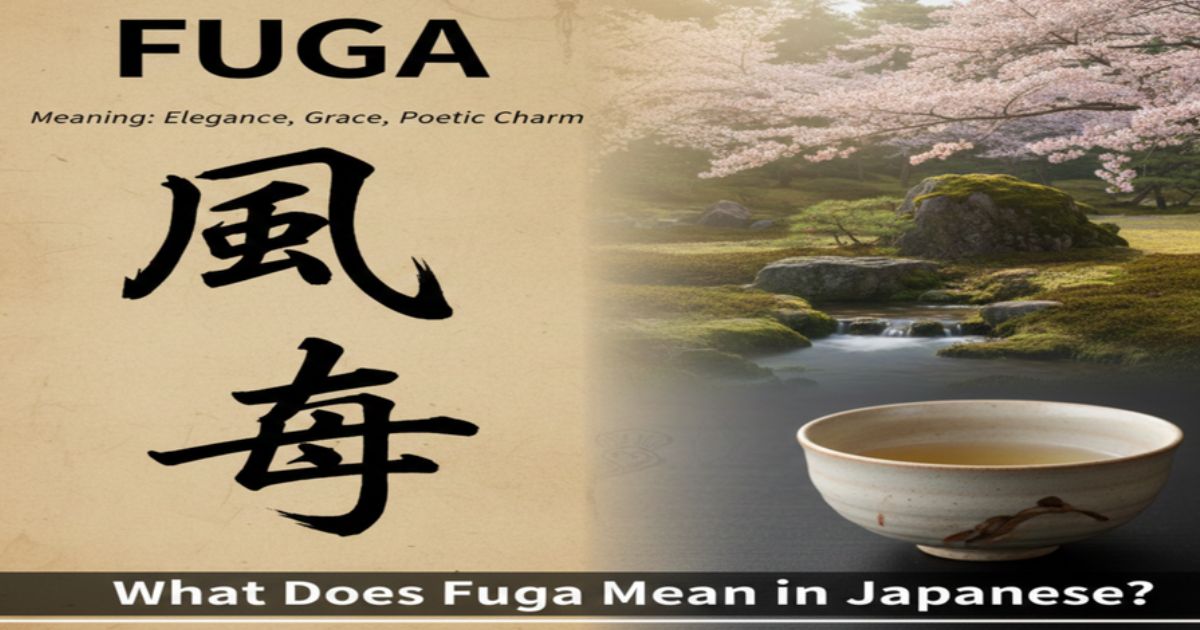
The word Fuga is a beautiful and meaningful term in the Japanese language that carries depth, elegance, and cultural richness. Depending on how it is written and used, Fuga can express refined beauty, artistic taste, or even musical creativity. It is often seen in names, literature, and traditional aesthetics, making it a popular choice among Japanese words with graceful meanings. Many people are curious about Fuga because it sounds modern while still feeling deeply traditional. Understanding its kanji, pronunciation, and context helps reveal its true essence. In Japanese culture, words like Fuga are not just labels but reflections of values and emotions. This article explores the meaning of Fuga in Japanese, its different interpretations, and how it is used today. By the end, you will have a clear and complete understanding of this elegant word.
Best Name Ideas for Fuga
- Fuga
- Fuuga
- Fūga
- Huga
- Hyuga
- Sora
- Kaze
- Ren
- Riku
- Haru
- Aoi
- Kaito
- Akira
- Yuto
- Minato
- Asahi
- Itsuki
- Taiga
- Kou
- Shin
- Rei
- Kai
- Tsubasa
- Hayate
- Raiga
- Seiya
- Yuma
- Arata
- Nagi
- Touma
- Daichi
- Hinata
- Ryuu
- Souta
- Kanata
- Noa
- Eito
- Makoto
- Shou
- Takumi
- Yori
- Zen
- Ibuki
- Kei
- Issei
- Mio
- Koki
- Naoto
- Ryo
- Subaru
- Yuki
Good Name Ideas for Fuga
- Fuga
- Fuuga
- Fūga
- Huga
- Hyuga
- Sora
- Kaze
- Ren
- Riku
- Haru
- Aoi
- Kaito
- Akira
- Yuto
- Minato
- Asahi
- Itsuki
- Taiga
- Kou
- Shin
- Rei
- Kai
- Tsubasa
- Hayate
- Raiga
- Seiya
- Yuma
- Arata
- Nagi
- Touma
- Daichi
- Hinata
- Ryuu
- Souta
- Kanata
- Noa
- Eito
- Makoto
- Shou
- Takumi
- Yori
- Zen
- Ibuki
- Kei
- Issei
- Mio
- Koki
- Naoto
- Ryo
- Subaru
- Yuki
Read more: What Does Fuga Mean in Japanese
Nice Name Ideas for Fuga
- Fuga
- Fuuga
- Fūga
- Huga
- Hyuga
- Sora
- Kaze
- Ren
- Riku
- Haru
- Aoi
- Kaito
- Akira
- Yuto
- Minato
- Asahi
- Itsuki
- Taiga
- Kou
- Shin
- Rei
- Kai
- Tsubasa
- Hayate
- Raiga
- Seiya
- Yuma
- Arata
- Nagi
- Touma
- Daichi
- Hinata
- Ryuu
- Souta
- Kanata
- Noa
- Eito
- Makoto
- Shou
- Takumi
- Zen
- Ibuki
- Kei
- Issei
- Mio
- Koki
- Naoto
- Ryo
- Subaru
- Yuki
- Hikaru
- Atsuki
- Haruki
- Kazuki
Amazing Name Ideas for Fuga
- Fuga
- Fuuga
- Fūga
- Hyuga
- Huga
- Sora
- Kaze
- Ren
- Riku
- Haru
- Aoi
- Kaito
- Akira
- Yuto
- Minato
- Asahi
- Itsuki
- Taiga
- Kou
- Shin
- Rei
- Kai
- Tsubasa
- Hayate
- Raiga
- Seiya
- Yuma
- Arata
- Nagi
- Touma
- Daichi
- Hinata
- Ryuu
- Souta
- Kanata
- Noa
- Eito
- Makoto
- Shou
- Takumi
- Zen
- Ibuki
- Kei
- Issei
- Mio
- Koki
- Naoto
- Ryo
- Subaru
- Yuki
- Hikaru
- Atsuki
- Haruki
- Kazuki
Excellent Name Ideas for Fuga
- Fuga
- Fuuga
- Fūga
- Huga
- Hyuga
- Sora
- Kaze
- Ren
- Riku
- Haru
- Aoi
- Kaito
- Akira
- Yuto
- Minato
- Asahi
- Itsuki
- Taiga
- Kou
- Shin
- Rei
- Kai
- Tsubasa
- Hayate
- Raiga
- Seiya
- Yuma
- Arata
- Nagi
- Touma
- Daichi
- Hinata
- Ryuu
- Souta
- Kanata
- Noa
- Eito
- Makoto
- Shou
- Takumi
- Zen
- Ibuki
- Kei
- Issei
- Mio
- Koki
- Naoto
- Ryo
- Subaru
- Yuki
- Hikaru
- Atsuki
- Haruki
- Kazuki
Cool Name Ideas for Fuga
- Fuga
- Fuuga
- Fūga
- Huga
- Hyuga
- Raiden
- Kairo
- Zenji
- Rai
- Koa
- Jett
- Nova
- Axel
- Orion
- Kiro
- Zane
- Kael
- Riven
- Neo
- Taro
- Kyo
- Izan
- Ryzen
- Onyx
- Kian
- Vero
- Lior
- Enzo
- Soren
- Aero
- Niko
- Cairo
- Lex
- Miro
- Arlo
- Jiro
- Kazeo
- Rio
- Taio
- Yori
- Zion
- Koda
- Akiro
- Renji
- Hoshi
- Kuro
- Seiro
- Noir
- Riko
- Azen
- Kyro
FAQs
What does Fuga mean in Japanese?
Fuga in Japanese most commonly means elegance, refinement, or tasteful beauty when written with the kanji 風雅. It represents a calm, artistic, and sophisticated way of living or thinking. The word is often associated with traditional arts such as poetry, calligraphy, and tea ceremonies. Fuga reflects an appreciation for subtle beauty rather than something loud or flashy. Because of this, it is considered a very cultured and positive term in Japanese society.
Which kanji are used for Fuga and what do they mean?
The most common kanji for Fuga is 風雅. The first character 風 means wind or style, while 雅 means elegance or grace. Together, they express refined taste and artistic sensitivity. In some cases, Fuga may appear with different kanji or even in katakana, depending on usage. Each writing style slightly changes the nuance, but the elegant feeling usually remains central.
Is Fuga used as a Japanese name?
Yes, Fuga is commonly used as a given name in Japan, especially for boys. Parents often choose this name because it conveys refinement, creativity, and a gentle personality. When used as a name, the kanji can vary, allowing parents to personalize the meaning. The name Fuga sounds modern yet traditional, making it very popular in recent years. It also carries a strong cultural and artistic impression.
Does Fuga have any musical meaning in Japanese?
Yes, Fuga can also refer to a musical fugue, written in katakana as フーガ. This usage comes from Western classical music and is borrowed into Japanese. In this context, it has no kanji meaning but represents a complex musical composition style. While different from the traditional meaning, it still connects to creativity and structure. This shows how the word Fuga can exist in both traditional and modern spaces.
How is Fuga used in daily Japanese language?
In daily language, Fuga is not very common in casual conversation but appears more often in literature, names, and artistic discussions. It may be used to describe someone’s refined taste or elegant lifestyle. You might also see it in poetry, essays, or cultural writings. Because of its refined tone, it is usually used in formal or expressive contexts. This makes Fuga feel special and meaningful rather than ordinary.
Conclusion
Fuga is a versatile Japanese word that beautifully blends tradition, art, and meaning. Whether written as 風雅 to express elegance and refined taste or used in musical and modern contexts, it always carries a sense of sophistication. Its cultural roots make it especially appealing for names, artistic expressions, and philosophical ideas. Understanding Fuga helps you appreciate how deeply language and culture are connected in Japan. This word shows how simplicity in sound can hold rich layers of meaning. Overall, Fuga is a timeless term that represents grace, creativity, and thoughtful expression.
